Winter Homestead Pantry Essentials
A well-stocked pantry is the backbone of winter homesteading. It keeps meals simple, ingredients flexible, and your kitchen ready for storms, busy days, or just cold weather comfort.
Grains & Pasta
- Rice (white, brown, or wild)
- Barley, oats, or steel-cut oats
- Pasta (any shape, dried lasts longest)
- Quinoa or other hardy grains
- Polenta or cornmeal
Legumes & Protein
- Canned beans: black, kidney, chickpeas, navy
- Dried beans and lentils
- Split peas
- Canned fish (tuna, salmon, sardines)
- Shelf-stable tofu or tempeh
Root & Storage Vegetables
- Potatoes, sweet potatoes, and yams
- Carrots, parsnips, and turnips
- Onions and garlic
- Winter squash: butternut, acorn, spaghetti
- Cabbage
Pantry Staples & Flavor Builders
- Canned tomatoes (whole, diced, sauce)
- Tomato paste
- Broth or bouillon cubes (vegetable, chicken, or beef)
- Olive oil, coconut oil, and butter
- Vinegar (apple cider, white, or balsamic)
- Salt, pepper, dried herbs, and spices
Frozen Essentials
- Frozen vegetables like peas, corn, green beans, or spinach
- Frozen berries for baking or smoothies
- Frozen cooked grains or beans for quick meals
Baking & Thickening Ingredients
- Flour (all-purpose or whole wheat)
- Cornstarch, arrowroot, or tapioca
- Baking powder and baking soda
- Sugar, honey, or maple syrup
Long-Term Essentials
- Canned or jarred fruit for quick desserts or breakfast
- Nut butters
- Shelf-stable milk or plant-based milk
- Dry pasta or instant noodles for emergency meals
- Seeds for sprouting or microgreens
Extras for Comfort & Warmth
- Tea, coffee, and hot cocoa
- Dried herbs and spice blends
- Stock cubes or soup base
- Jarred sauces and pickles for quick flavor
Tips for Using Your Winter Pantry
- Rotate items to use older ingredients first.
- Label everything with dates.
- Keep dry goods in airtight containers to prevent pests.
- Combine frozen and shelf-stable foods for flexible meal options.
- Always keep a few emergency items separate in case you cannot reach your main pantry.
Sprouting and Microgreens: Fast Winter Nutrition
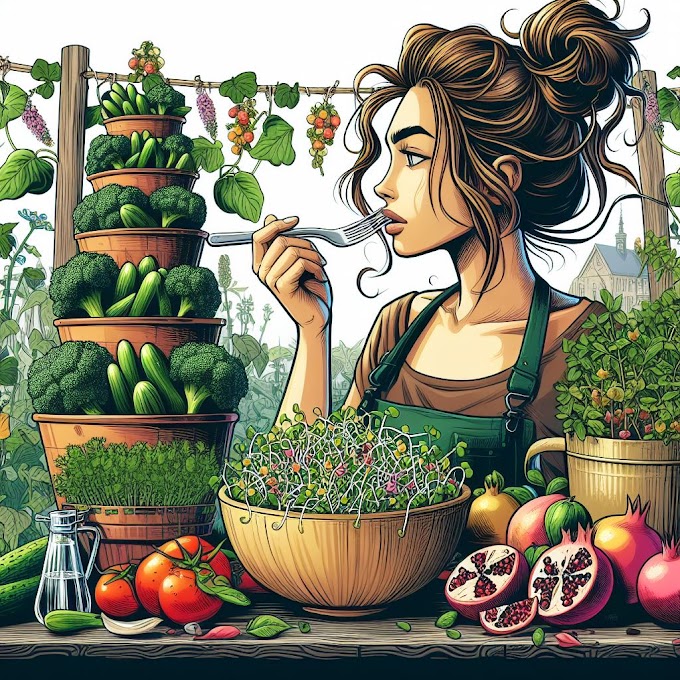
Even in the dead of winter, you can grow fresh, nutrient-packed greens in just a few days. Sprouts like lentils, mung beans, and alfalfa are incredibly fast to grow in jars on your windowsill. They are crunchy, flavorful, and loaded with protein and vitamins, making them perfect for adding to soups, stews, salads, or sandwiches.
Microgreens take slightly longer - usually 7 to 14 days - but they are easy to grow in shallow trays with soil or hydroponically. Radish, broccoli, kale, and pea shoots bring a burst of flavor, color, and nutrition to any meal. Because they are fast, low-maintenance, and versatile, sprouts and microgreens are winter homesteading superfoods that can transform pantry-based meals into something fresh, lively, and nourishing.
A stocked pantry is your homestead winter security system. With these essentials, batch cooking, one pot meals, and storm-ready dishes are simple, stress-free, and nourishing. You can focus on warmth, comfort, and keeping the home running without panic ❄️