Winter Homesteading Habits That Save Money, Food, and Sanity
Winter is not the slow season people think it is. It is the season where small habits quietly protect your food supply, your budget, and your peace of mind. When the cold sets in, what you do inside your home matters just as much as what you grow outside.
These winter homesteading habits turn freezing weather into a season of stability instead of stress.
Turn Your Kitchen Into a Winter Command Center
Your kitchen becomes the heart of your homestead in winter. This is where you stretch food, reduce waste, and turn simple ingredients into real nourishment.
Start by keeping a weekly food check. Look at what is in your fridge, freezer, and pantry before you shop or cook. This prevents forgotten food from spoiling and helps you build meals around what you already have.
Broth becomes gold in winter. Save vegetable scraps, chicken bones, and herb stems in a freezer bag. Once full, simmer them into rich broth that can become soups, stews, and sauces. It saves money and boosts nutrition.
Baking bread, biscuits, or flatbreads at home also cuts costs and fills your home with warmth and comfort.
Use Winter to Protect Your Food Supply
Cold weather is perfect for organizing food. Wipe down shelves, group items by type, and move older food to the front so it gets used first.
Root vegetables last longer when stored properly. Potatoes, carrots, onions, and squash like cool, dark, dry spaces. A basement, pantry, or insulated box works well.
If you have preserved foods, label them clearly with dates. This keeps your rotation smooth and prevents mystery jars from getting ignored.
A well organized pantry means less grocery spending and less food waste all winter long.
Make Heat Work Smarter Not Harder
You do not have to blast the heat to stay warm. Focus on keeping the warmth you already have.
Close off unused rooms. Keep doors shut and vents adjusted so heat stays where you live and sleep.
Use thick curtains, blankets on couches, and layered rugs on floors. Fabric traps heat and makes rooms feel warmer even at lower thermostat settings.
If you cook or bake, leave the oven door open after turning it off so leftover heat warms the kitchen.
Turn Winter Into a Growing Season Indoors
You might not be gardening outside, but you can still grow food.
Windowsills and shelves can hold small pots of herbs like basil, parsley, and chives. These add fresh flavor to winter meals and boost nutrition.
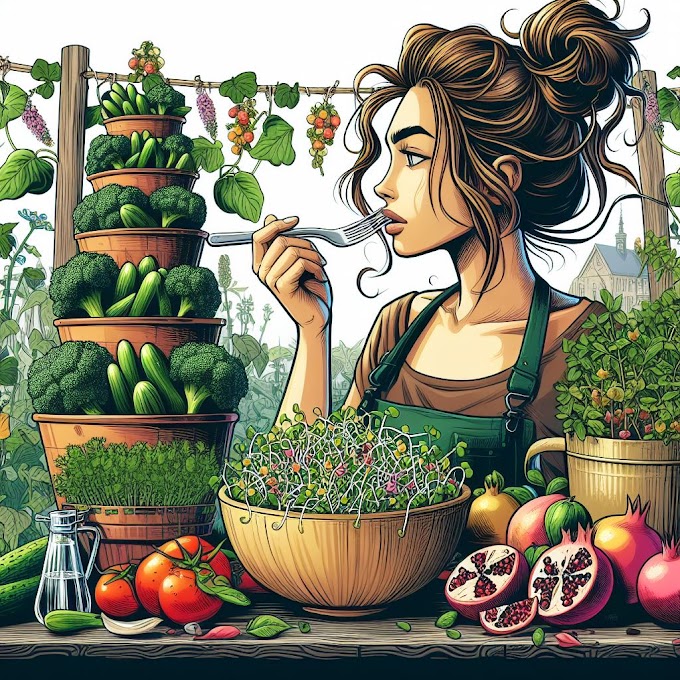
Sprouts are one of the fastest ways to grow food indoors. Lentils, mung beans, and alfalfa can be sprouted in jars in just a few days.
Microgreens grow in shallow trays and provide a powerful nutrient boost even when snow covers the ground.
Growing something in winter keeps the homestead energy alive and makes you feel connected to your food.
Use the Quiet Season to Get Ahead
Winter is the best time to prepare for the next growing season.
Organize seeds, write garden plans, and take notes about what worked last year. Clean and repair tools now so you are not scrambling in spring.
If you save seeds, sort and label them while things are calm.
This slow preparation turns spring into a smooth launch instead of a stressful rush.
Create Warm Daily Rhythms
Cold weather is easier when your days have structure.
Morning routines like tea, journaling, or checking the pantry keep you grounded. Evening routines like soup, candles, and simple cleanup make the home feel peaceful instead of chaotic.
A calm home is just as important as a stocked pantry.
Winter homesteading is not about hibernating. It is about protecting what you have, growing what you can, and building quiet strength while the world outside freezes.
This season is where real homesteads are made ❄️